The Better the Business, the Greater the Risk? The Survival Battle Behind E-commerce Order Surges
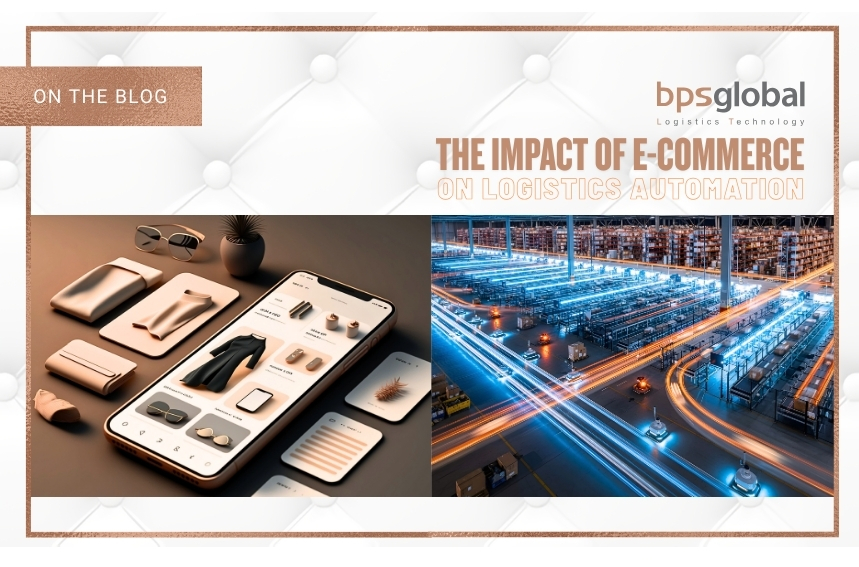
In e-commerce, the biggest concern is often not a lack of orders, buta sudden surge in demand that overwhelms back-end logistics systems. Considerthis scenario: a marketing campaign achieves great success, and overnight ordervolume multiplies several times. While this should be a reason to celebrate,the reality in the warehouse is chaos: inventory piled high, pickers rushingunder pressure, frequent order errors and customer service lines constantlyringing with complaints about delayed shipments. This dilemma of “ordersreceived but unable to fulfill” is one that many logistics managers andbusiness owners in Hong Kong can empathise with.
Three Major Pain Points in E-commerce Logistics: The Critical Weaknesses of Traditional Warehousing in the AutomationEra
Modern e-commerce operations are fundamentally different from thetraditional B2B wholesale supply chain. When faced with the demands ofe-commerce logistics, conventional warehousing exposes three major structuralproblems:
1. Highly Fragmented Orders
In the past, shipments were mostly full pallets or cartons. Today, anorder may consist of just a single toothbrush or two packs of tissues, eachrequiring separate picking and packaging. This “small-quantity, high-frequency”order pattern, if handled entirely manually, is not only inefficient but alsodifficult to scale.
2. Same-Day or Next-Day Delivery as a Basic Requirement
Hong Kong consumers have extremely high expectations for deliveryspeed. Orders placed in the morning are often expected to arrive the same dayor, at the latest, the next day. Any delay may result in customers turning tocompetitors. Delivery speed is no longer an added benefit — it has become acore competitive advantage.
3. Complex Returns Processing
Return rates in e-commerce are generally higher than in physicalretail. Processing returns involves inspection, restocking, qualityverification, and relisting. These procedures are time-consuming andlabor-intensive, placing a heavy burden on manpower and resources.
Logistics Automation Solutions: Addressing Labor Shortages with Warehouse Robotics and IntelligentSystems
Faced with these challenges, many businesses’ first reaction is to“hire more staff.” However, in Hong Kong, labour costs are high, and warehousestaff turnover is significant. Relying solely on manual labor often fails tocreate a stable and sustainable operation, which has driven logisticsautomation to become the industry standard.
Logistics automation is not just about installing conveyor belts; itintegrates hardware and software to achieve the core goals of reducing labour,improving efficiency, and optimising space utilisation. Common solutionsinclude:
- Goods-to-Person Picking Systems
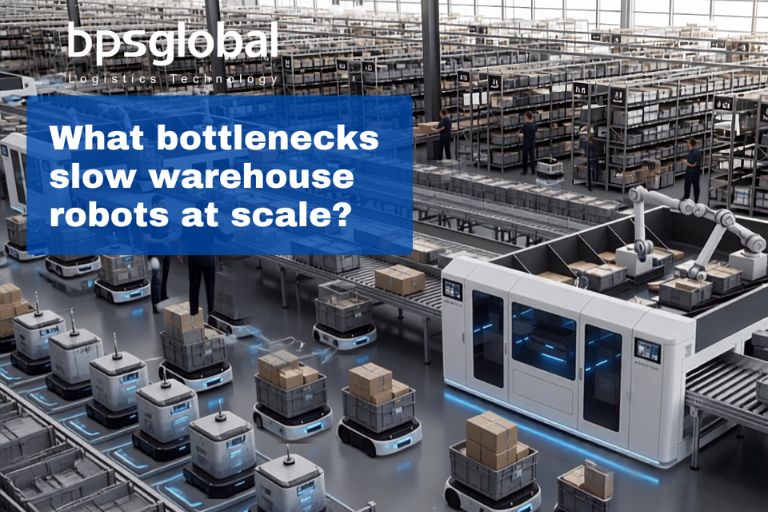
Using Autonomous Mobile Robots (AMRs) or visually guided automated forklifts (AGFs), shelving units are automatically transported to picking stations. Workers no longer need to walk long distances in large warehouses and can operate from fixed positions, increasing picking efficiency several times over. - Automated Storage and Retrieval Systems (AS/RS)
Given Hong Kong’s high rents and limited floor space, Automated Storage and Retrieval System (AS/RS) — also known as mini-load systems — can expand vertically, fully utilizing ceiling height to achieve high-density storage and effectively increase warehouse capacity. - Warehouse Management Systems (WMS)
Automation requires both hardware and software. Advanced Warehouse Management System (WMS) platforms can analyze real-time sales data and direct the system to pre-position fast-moving items near dispatch areas, significantly shortening order processing time and enhancing overall supply chain efficiency.
Cost-Benefit of Logistics Automation: Upfront Investment vs. Long-Term Advantage
When it comes to logistics automation, many businesses are concernedabout the initial investment. While it is indeed a decision that requirescareful planning, a long-term cost analysis reveals a different picture.Factoring in salaries, mandatory provident fund contributions, insurance, sickleave, absenteeism and costs related to human errors, the total expense ofmanual operations in Hong Kong’s labour-cost environment can be much higher.
Automated equipment, such as AMRs, can operate 24/7 without fatigue,absenteeism or emotional fluctuation. This not only improves accuracy but alsoensures consistent and predictable outbound operations.
Today, logistics automation is no longer exclusive to largeenterprises. As e-commerce logistics standards rise, small and medium-sizedenterprises must also proactively transform. When competitors are alreadycapable of “ultra-fast delivery,” reliance on manual, order-by-order processingmakes it difficult to maintain a competitive edge.
Hong Kong Logistics Technology & Systems Ltd (HKLTS) understandsthe real challenges faced by SMEs during logistics transformation in Hong Kong.If your company is experiencing warehouse congestion, labour shortages orshipment delays, we can design a tailored, cost-effective intelligent logisticssolution to deliver the fastest results, helping transform logistics costs intoa sustainable competitive advantage.